

During the visit of Shavkat Mirziyoyev to Bishkek, Kyrgyzstan and Uzbekistan put an end to the border delimitation issue. However, the release of detainees in the Kempir-Abad case may not be prompt, according to experts.
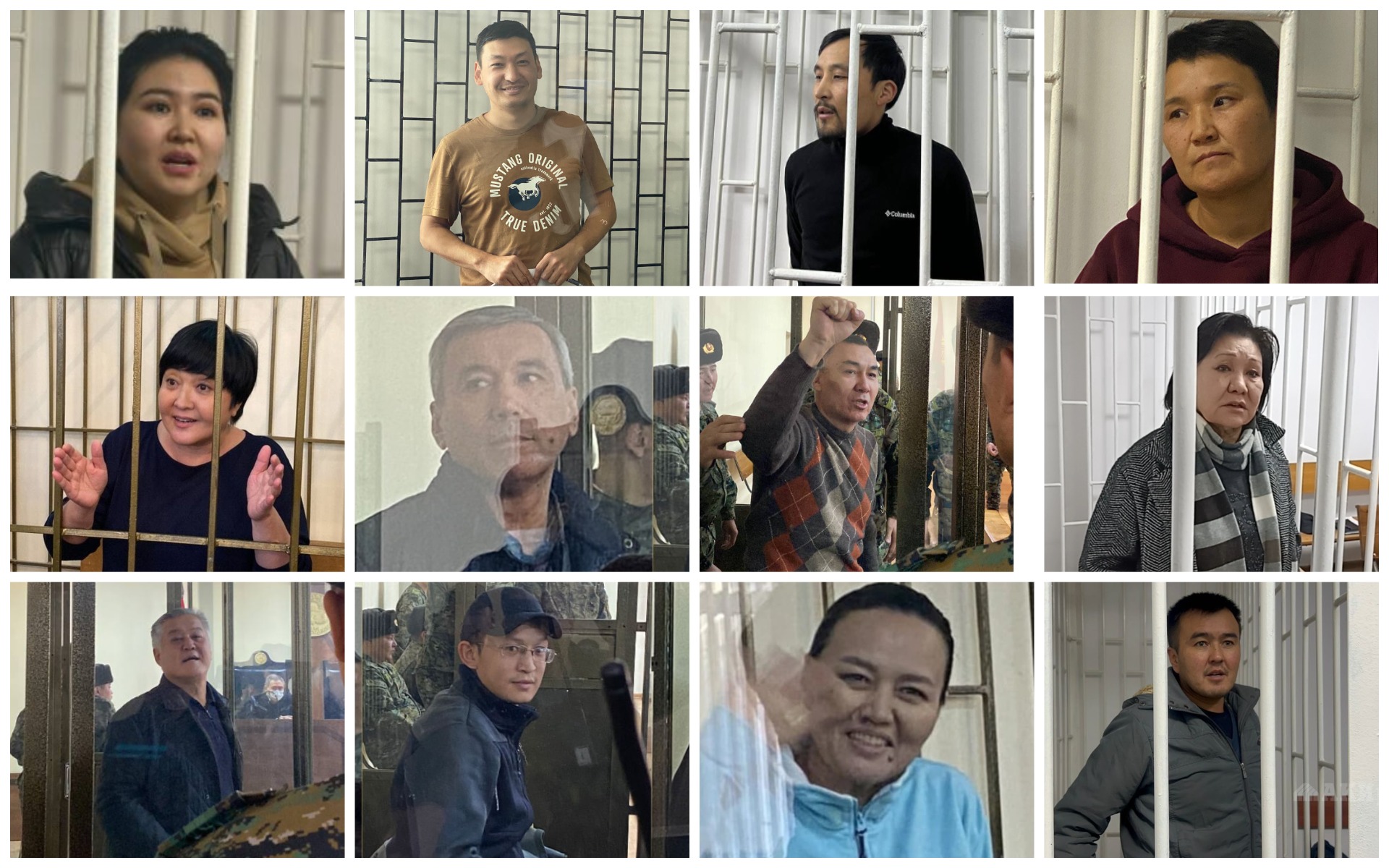
“We want you to know that in order to resolve this problem, the fates of innocent people were sacrificed, resulting in tears and sufferings of their families, especially those of little children and elderly parents. Our mothers and fathers, wives and husbands, daughters and sons, 24 persons in all, have been detained only because they dared to disagree with the transfer of the Kempir-Abad reservoir to your country,” said relatives of the detainees in Kyrgyzstan under the so-called ‘Kempir-Abad case’ to Shavkat Mirziyoyev on January 27.
On the same day, the leaders of Kyrgyzstan and Uzbekistan exchanged ratification instruments and signed the agreement on the Kyrgyzstan-Uzbekistan border in Bishkek, according to which the area of the Kempir-Abad reservoir has officially become part of the territory of Uzbekistan. Both presidents, Sadyr Zhaparov and Shavkat Mirziyoyev, called the process of border delimitation a “historical event.”

And shortly before that, on January 18th, the Ministry of Interior Affairs of Kyrgyzstan classified the materials of the criminal case regarding over 20 politicians and activists. They were detained at the end of October 2022 after trying to establish a committee to protect Kempir-Abad and were accused of attempting to organize mass disorders. This step was the last argument of the authorities after several unsuccessful attempts to convince the public of the benefits of the agreement, which transfers the Kempir-Abad reservoir to Uzbekistan in exchange for previously disputed sections of the Kyrgyzstan-Uzbekistan border.
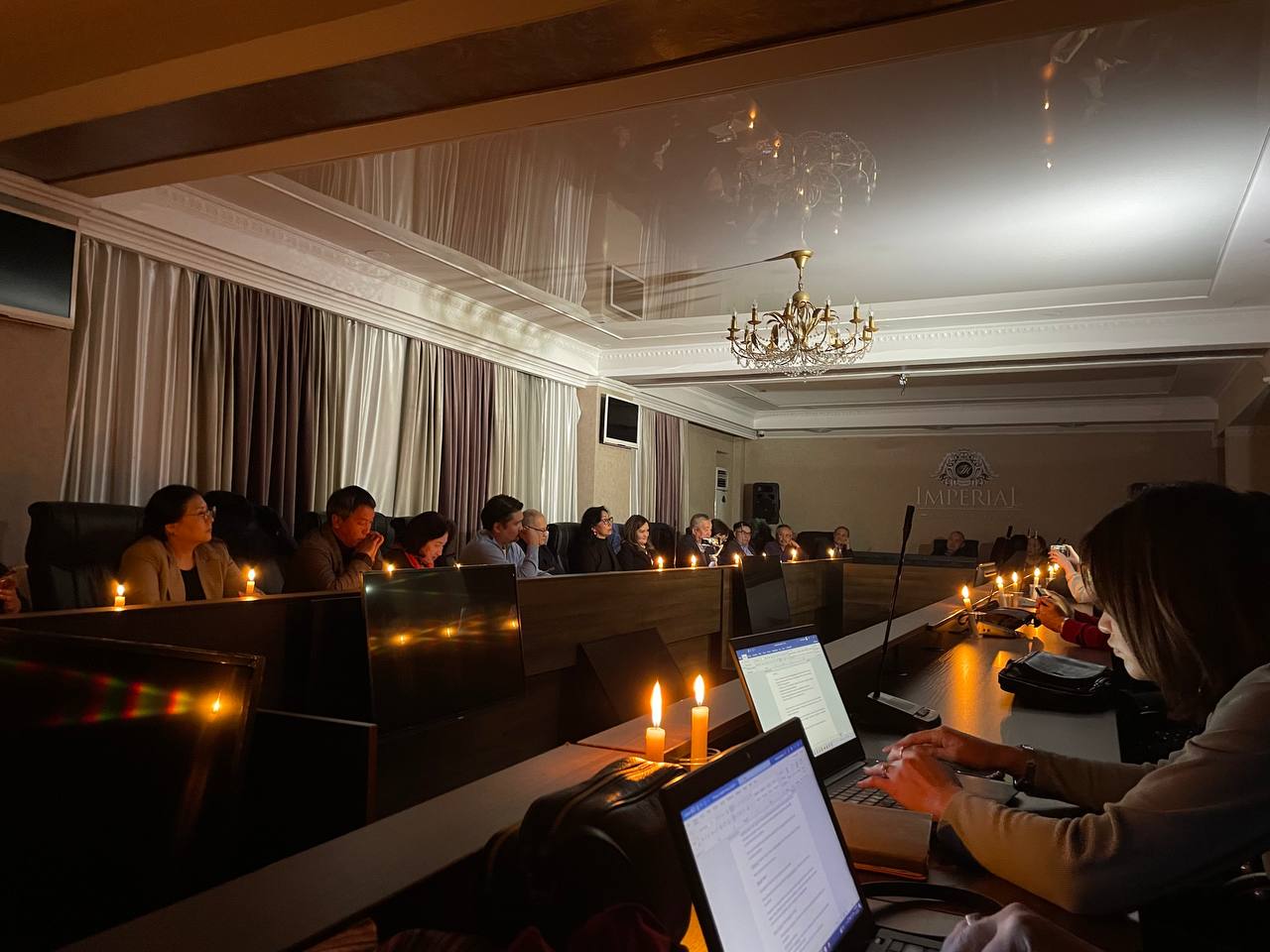
A public meeting regarding the illegal classification of the criminal case was held on January 31st by candlelight. Although the entire building had electricity, the conference hall did not. The lawyers invited to the event called the “classification” a precedent of lawlessness and indicated violations committed during the process of delimitation and demarcation of borders between Kyrgyzstan and Uzbekistan and the illegal initiation of criminal proceedings.
Water resources
The delimitation of disputed sections of the Kyrgyzstan-Uzbekistan border has been an issue since both states gained sovereignty. The common border is 1,472 kilometers long. In 2017, both countries signed and ratified an agreement on delimitation of 1,170 kilometers of the border. In autumn 2022, government delegations started negotiations on the remaining 302 kilometers. The details of the negotiations were kept secret until the very last moment.
According to the final agreement, Kyrgyzstan received over 19 hectares of disputed areas, while Uzbekistan received the Kempir-Abad or Andizhan, as it is called in Uzbekistan, reservoir. This became the subject of criticism by Kyrgyzstanis.
According to experts, 14% of the water from Kempir-Abad is used to irrigate land in Suzak and Kara-Suu districts of Kyrgyzstan. The reservoir is of strategic importance to Uzbekistan as it irrigates over 2 million hectares of agricultural land. Despite the agreement on joint management of water resources, local residents fear that Uzbekistan would restrict Kyrgyzstanis’ access to water.
The administration of President Sadyr Zhaparov has used non-transparent methods with limited discussions to push for the border agreement, according to Kyrgyzstan-based political analyst Emil Zhuraev.
“To overcome the bitterness felt about the Kempir-Abad reservoir, consistent measures must be used to strengthen trust,” the expert said.
Unsubstantiated case
Medet Tyulegenov, another political analyst, believes that the underlying reason behind the transfer of the Kempir-Abad reservoir and the arrest of civil activists is much broader than just the direct connection between the two. The Kempir-Abad situation provides the opposition with an opportunity to unite and develop a system to counter the existing power, which is perceived as a threat to the regime.
“As errors accumulate, it becomes harder to show any visible results or achievements, and this can lead to dissatisfaction among the people. When there are many dissatisfied individuals, there will always be someone to lead them. Hence, the current government is suppressing dissenting voices, reducing the chances of them being led,” Tyulegenov explained.
In the long term, political and civic activism continues to pose a significant threat to Zhaparov’s power, according to Chinara Esengul, a political science candidate.

She believes that even after the recent visit of President Shavkat Mirziyoyev of Uzbekistan to Bishkek and the signing of all the necessary documents, some detained individuals may be released, but they will remain under close monitoring.
“They will be released after serious instructions that they should not be so active, but I think it will not have a strategic impact on the outcome because the political culture of the Kyrgyzstanis will not change. I think they would be asked to write or state somehow that they have been wrong. As far as I know, Tashiev has suggested the same a long time ago. But the detained are stubborn people and believe in what they do, that is why they have not done this so far,” the expert said.
However, Tyulegenov believes that the release of the detainees is unlikely in the near future, as the power has no valid arguments or evidence to support their case. Tyulegenov thinks the case may be postponed as long as possible.
A way out?
Iskhak Masaliev, a member of parliament, recently established a deputy commission to study the legality of law enforcement actions towards the detainees, from detention to investigative activities and arrests.
“They pose a threat to certain political figures, not to the state. Being the person who has participated in the meeting of activists, I say publicly that they have not posed any threat,” the parliamentarian said. “And now, when they exchanged the instruments of ratification, the only way out is to cancel this decision. They should be immediately released, prosecution must be stopped, and common ground should be sought.”
The deputy commission, according to Masaliev, can play a certain positive role, but the matter would hardly be resolved promptly.
“Those who organised the case would probably try to deliver the first verdict under any pretext in order to justify themselves, their actions. They might even release them, but after one or two years of litigations. This is the technique when one seems to be guilty yet he is not. And then they will say, ok, we forgive you,” Masaliev said.

Chynara Temirova, an expert in national policy issues, believes that border issues must be resolved, but the process of decision-making is just as important as the outcome.
“The power that is not able to conduct a constructive dialogue and prove it is right by deeds and results will always take the public as the enemy, not the helping hand. […] Decisions made in a democratic manner are made in transparency and necessarily contain compensations to the groups of people who lose the deal. But this very process leads to the decision that does not cause much of a conflict in the society. Therefore, this decision of the border issue will always cause discontent of the people regardless of whether the activists are behind the bars or not,” Temirova said.
According to Temirova, the detainees in the Kempir-Abad case are a clear indication of the state’s weakness, and the power will likely use this method to resolve future issues, leading the country down an increasingly authoritarian path.